- Home
-
-
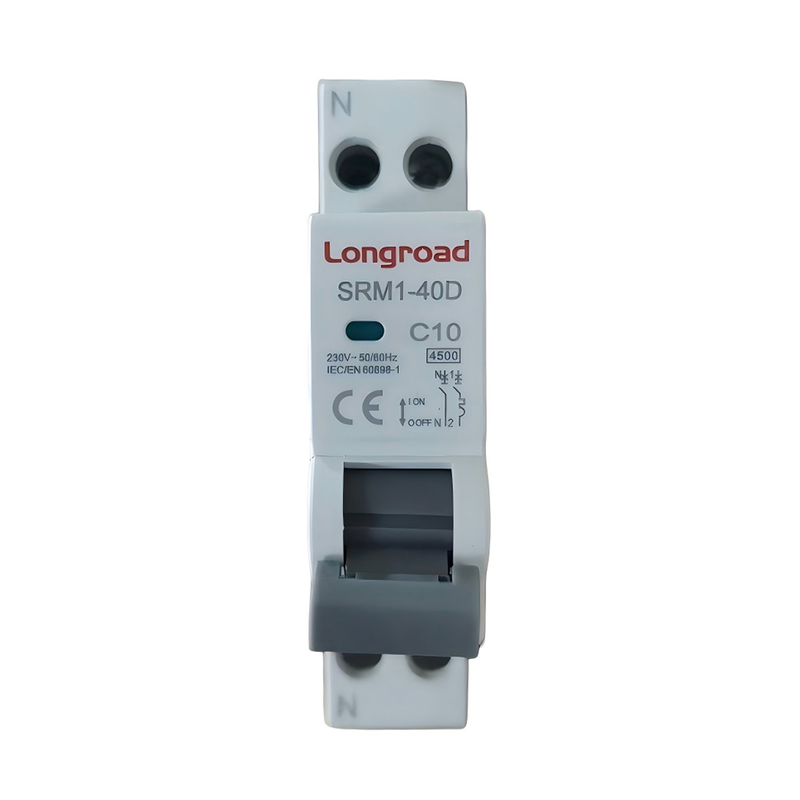
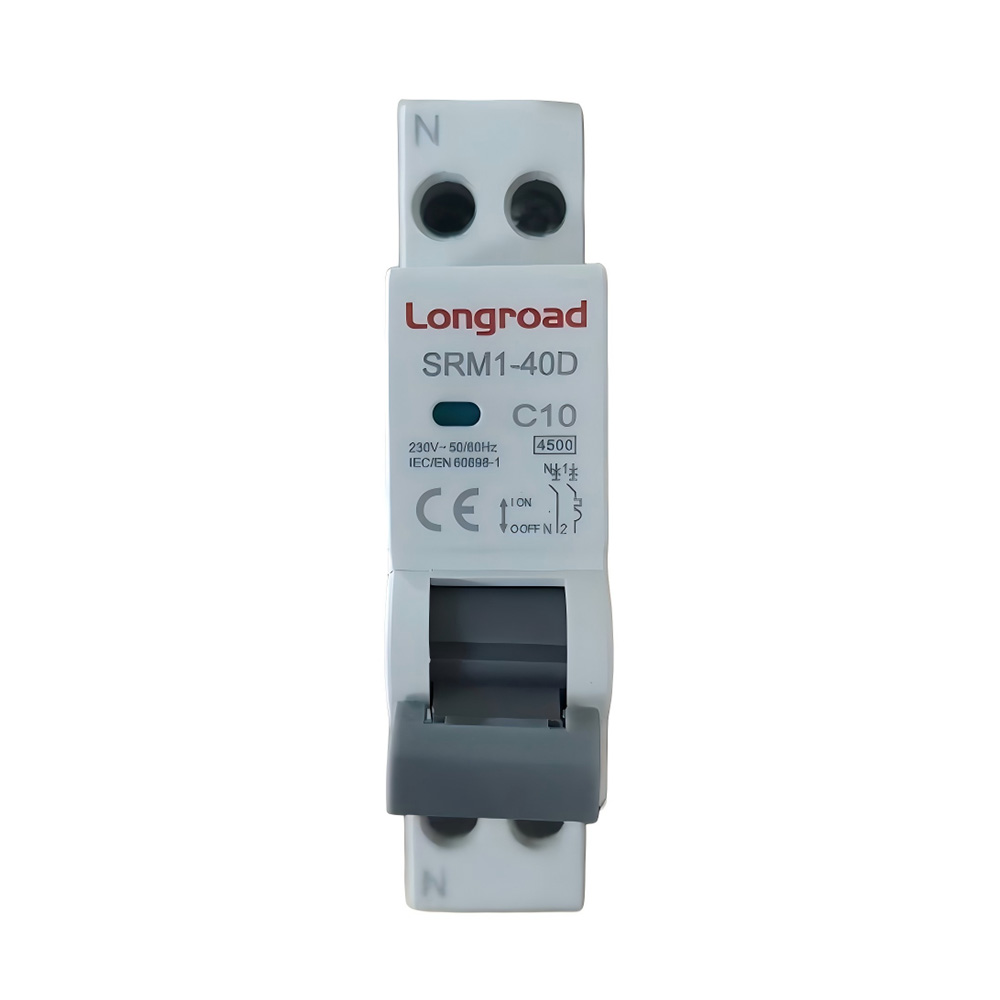
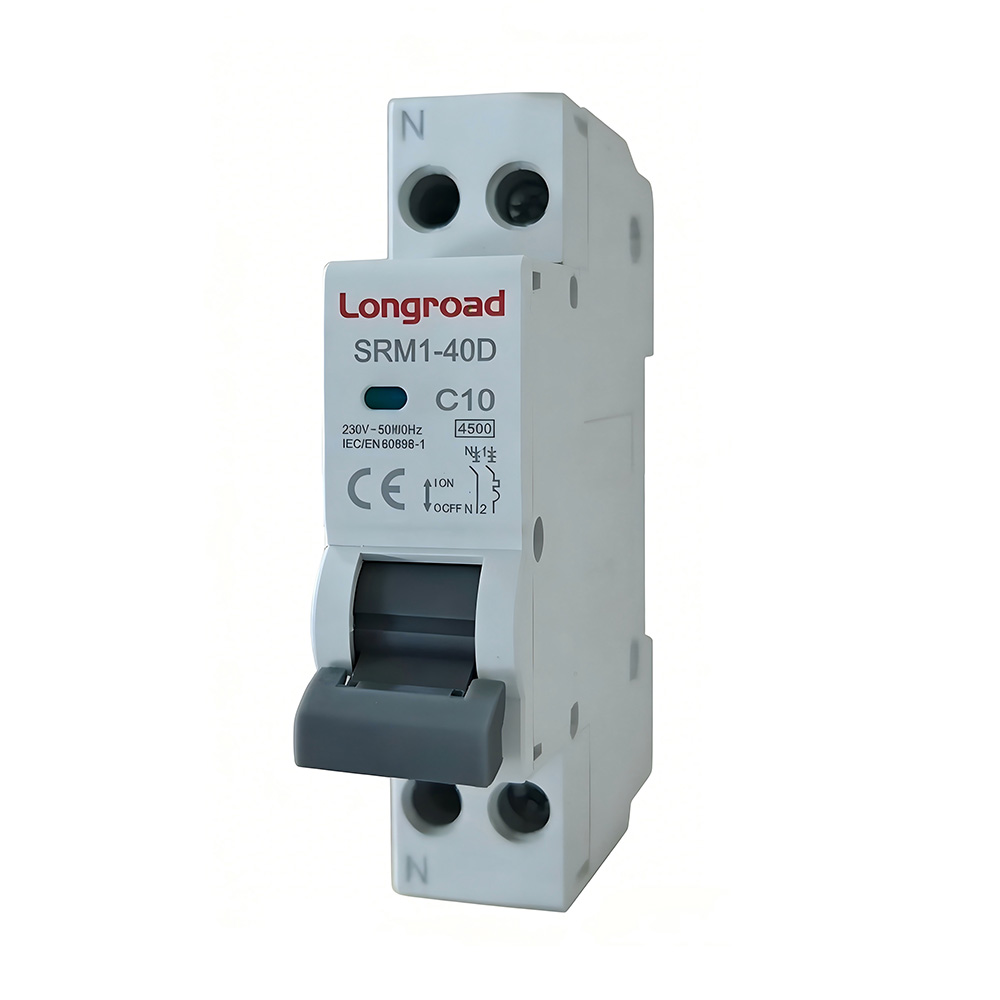
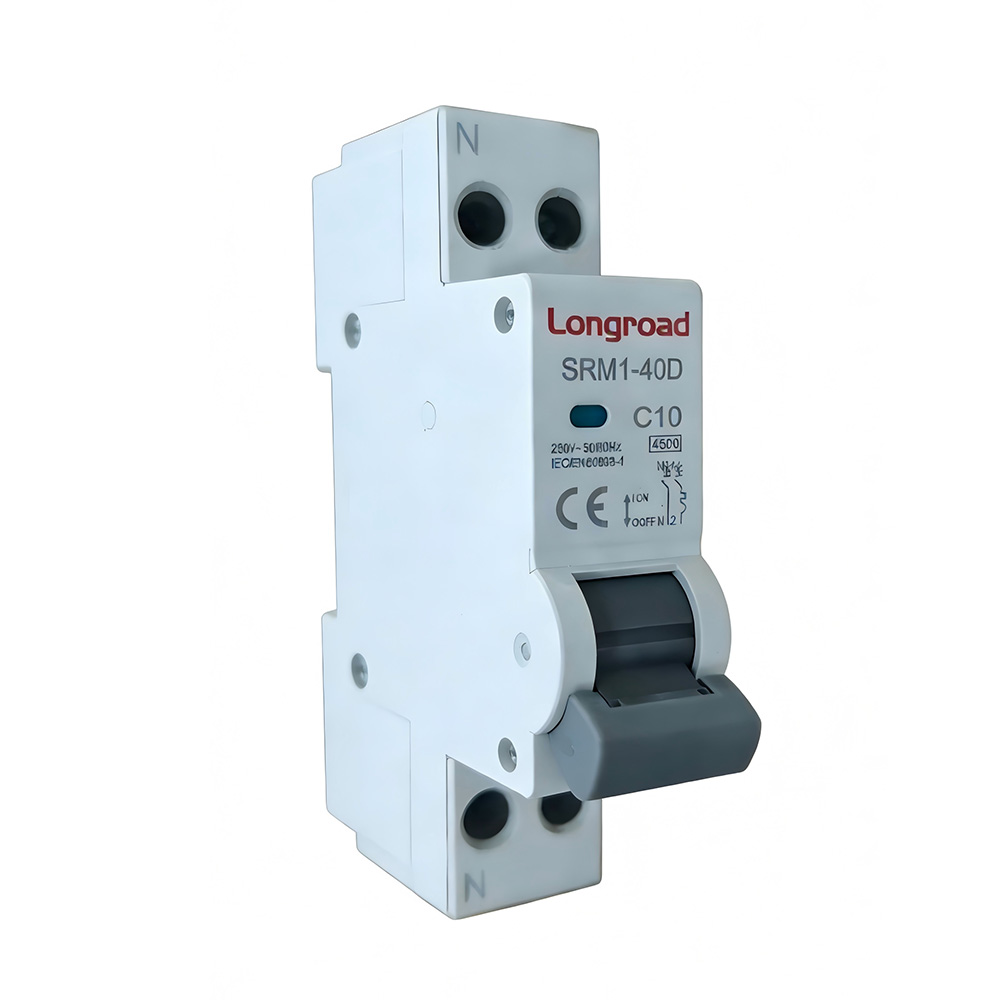
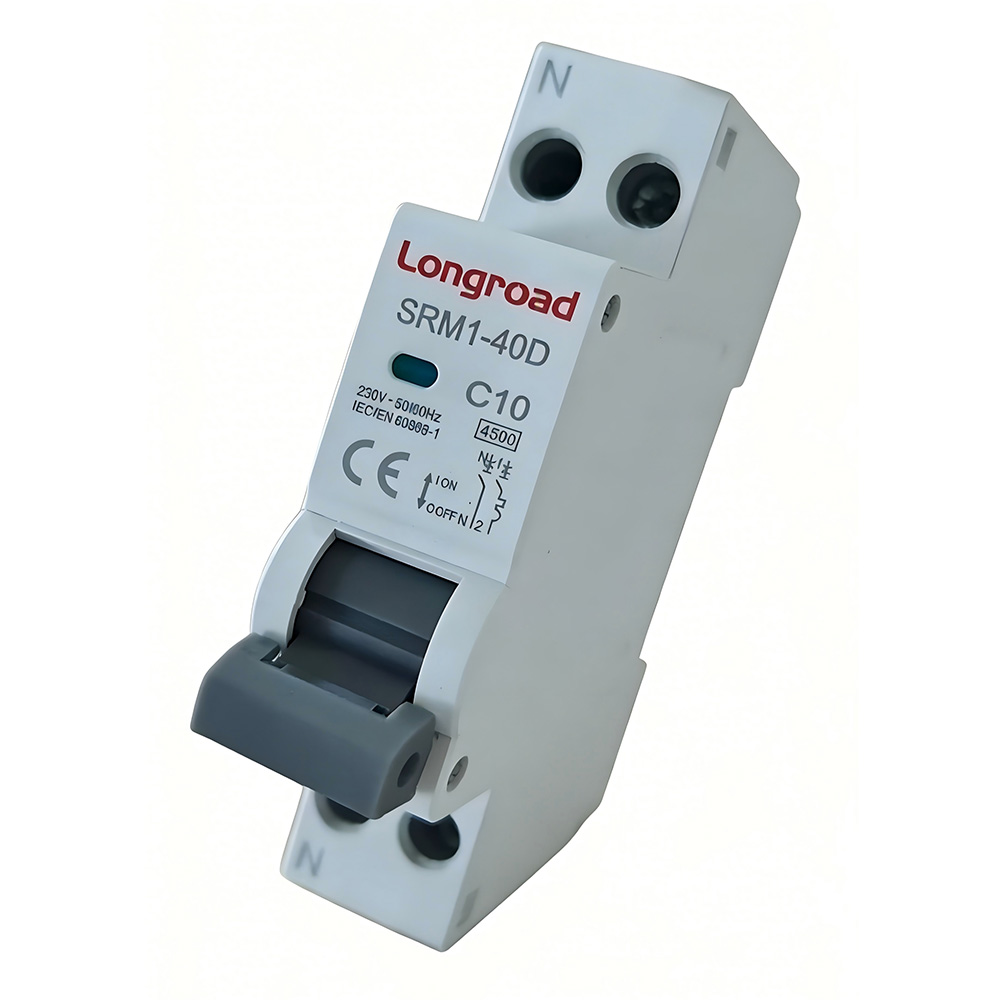
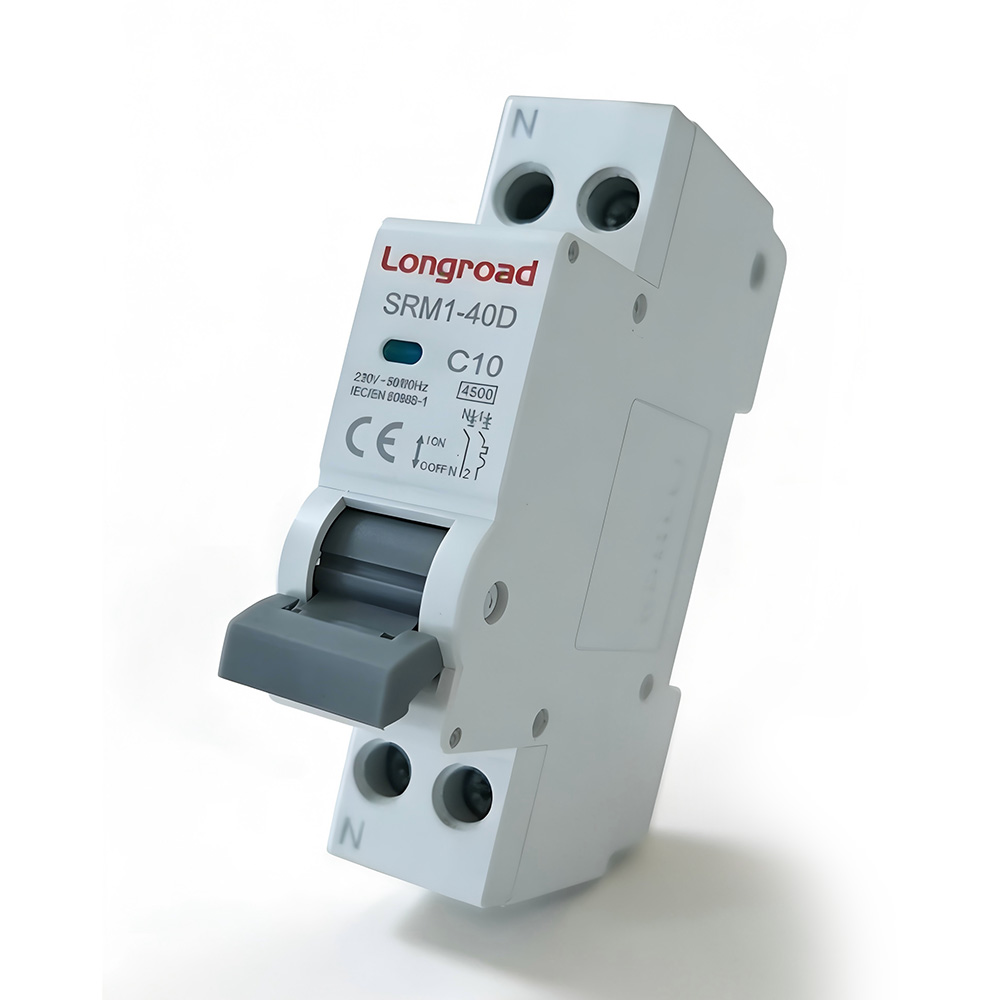
SRM1-40D 1P+N Miniature Circuit Breaker
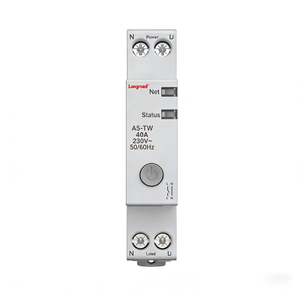
SRM1-40D 1P+N Miniature Circuit Breaker is a high-performance 1P+N DPN miniature circuit breaker (air switch), designed to provide reliable circuit protection for household and commercial scenarios. With its compact design, strict safety standards and user-friendly features, it becomes your ideal choice for safe power supply.Quantity: 


Main Features & Advantages
1.1 Double Safety Protection: Simultaneously cuts off live wire and neutral wire, eliminating the hazard of neutral wire electrification and ensuring comprehensive electrical safety.
1.2 Efficient Protection Performance: Equipped with overload and short-circuit protection. It trips with a delay when current exceeds the rated value, and instantly cuts off current in case of short circuit, effectively preventing equipment damage and fire risks.
1.3 Space-Saving Compact Design: Only occupies 1 module width (18mm), saving valuable space in distribution boxes and adapting to small-sized distribution scenarios.
1.4 Easy Installation & Maintenance: Clearly marked "N" terminal for neutral wire, avoiding wrong wiring; gray manual operation handle and visible status window make operation and maintenance more convenient.
1.5 Reliable Quality Assurance: Complies with EU low-voltage electrical safety standards and has passed CE certification, with stable performance and long service life.
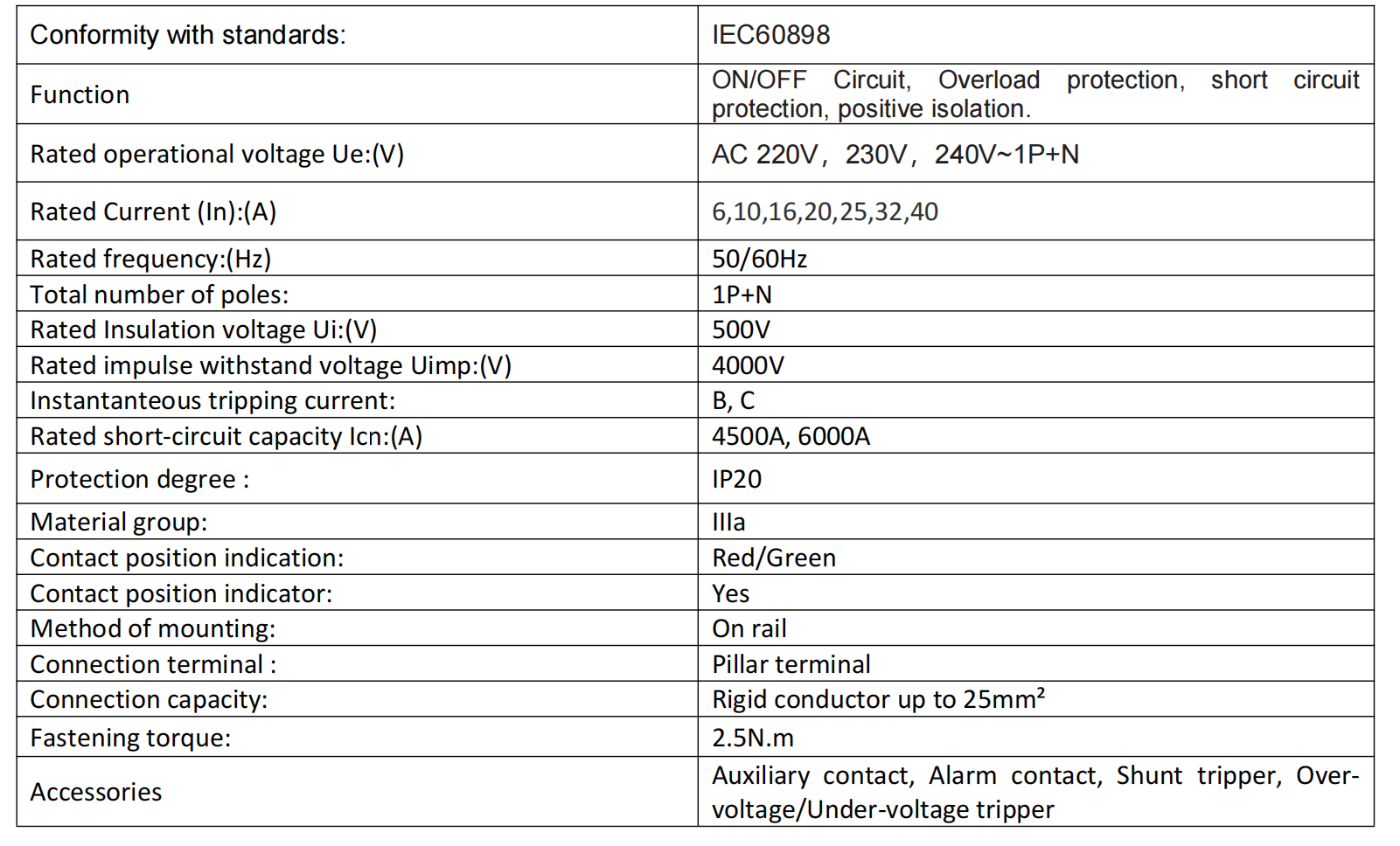
Full Technical Specifications
Product Uses
Ideal for protection of household lighting circuits, socket branches, and power supply protection for small commercial equipment (such as routers, small appliances). Perfect for distribution boxes with high space requirements, widely used in homes, offices, small stores and other places.
Product Operate Guide
How to Use the 1P+N Miniature Circuit Breaker
The 1P+N miniature circuit breaker is easy to operate and install, with the following key usage steps and precautions to ensure safe and effective operation:
1. Installation Preparation
- Before installation, cut off the main power supply to avoid electric shock hazards. Ensure the installation environment is dry, clean and free of dust or corrosive substances.
- Check whether the circuit voltage and current match the rated parameters of the circuit breaker (230V~ 50/60Hz, 6A~40A) to prevent overload operation.
2. Correct Wiring
- Identify the wiring terminals clearly: the terminal marked "N" is for the neutral wire, and the other terminal (not marked "N") is for the live wire. Do not reverse the live wire and neutral wire.
- Connect the incoming wire (power supply side) to the upper terminal and the outgoing wire (load side) to the lower terminal. Ensure the wiring is firm and tight to avoid poor contact and heat generation.
3. Operation Method
- Closing (Power On): Push the gray handle to the "ON" position. Check the status window; if it shows green, it means the circuit is connected normally.
- Opening (Power Off): Push the gray handle to the "OFF" position. The circuit will be cut off immediately, and the status window will change accordingly (usually to red or gray).
- Tripping Reset: If the circuit breaker trips due to overload or short circuit (handle bounces to the middle position), first the fault (such as excessive load, short circuit of electrical appliances), then push the handle to "OFF" and then to "ON" to reset and restore power supply.
4. Daily Precautions
- Regularly check the circuit breaker for looseness, heat generation or abnormal noise. If any abnormality is found, cut off the power supply and contact professional maintenance personnel.
- Do not disassemble the circuit breaker by yourself, as it may damage the internal protection structure and affect the protection performance.
- Do not use the circuit breaker beyond its rated parameters, and avoid connecting excessive electrical appliances to the protected circuit.
Frequently Asked Questions (FAQs)
This section addresses common questions encountered during the use of the 1P+N miniature circuit breaker, providing professional and practical solutions to ensure smooth operation.
Q1: Why does the circuit breaker trip frequently?
A: Frequent tripping is mainly caused by three reasons: ① The total power of the connected electrical equipment exceeds the rated current of the circuit breaker, resulting in overload; ② There is a short circuit in the circuit or electrical equipment (such as damaged wires, short-circuited appliances); ③ Poor contact at the wiring terminals leads to local overheating and false tripping. Solution: First cut off the power supply, reduce the number of connected electrical appliances to avoid overload, check the circuit and electrical equipment for short circuit faults, and re-tighten the wiring terminals to ensure good contact.
Q2: What should I do if the circuit breaker cannot be closed (the handle cannot be pushed to the "ON" position)?
A: If the handle cannot be closed, there are two common situations: ① The circuit breaker has tripped due to overload or short circuit, and it needs to be reset first (toggle the handle to the "OFF" position and then push it to "ON"); ② There is a persistent short circuit in the circuit, and the protection mechanism of the circuit breaker prevents closing to avoid risks. Solution: First perform the reset operation; if it still cannot be closed, check the circuit and electrical equipment thoroughly to eliminate short circuit faults before closing again.
Q3: Is it acceptable to replace a circuit breaker with a higher rated current to avoid frequent tripping?
A: No, this is strictly prohibited. The rated current of the circuit breaker is matched with the circuit and load. Replacing it with a circuit breaker with a higher rated current will make the overload and short-circuit protection ineffective, which may cause the circuit to overheat, damage electrical equipment, and even lead to fire hazards. It is recommended to check and eliminate the cause of frequent tripping, and replace the circuit breaker with the same rated parameters if necessary.
Q4: How often should the circuit breaker be inspected and maintained?
A: It is recommended to conduct a routine inspection every 3-6 months. The inspection items include: whether the wiring terminals are loose, whether the circuit breaker has abnormal heating or unusual noise, whether the operating handle is flexible, and whether the status indicator window is clear. For environments with more dust or harsh conditions, the inspection frequency can be appropriately increased. If any abnormality is found, stop using it immediately and contact professional personnel for maintenance.
Q5: Can the 1P+N circuit breaker be used in a three-phase circuit?
A: No. This 1P+N miniature circuit breaker is designed for single-phase AC circuits (230V~ 50/60Hz) and is only suitable for protecting single-phase loads. It cannot be used in three-phase circuits. For three-phase circuit protection, please select a circuit breaker that matches the three-phase voltage and current parameters.