- Home
-
-
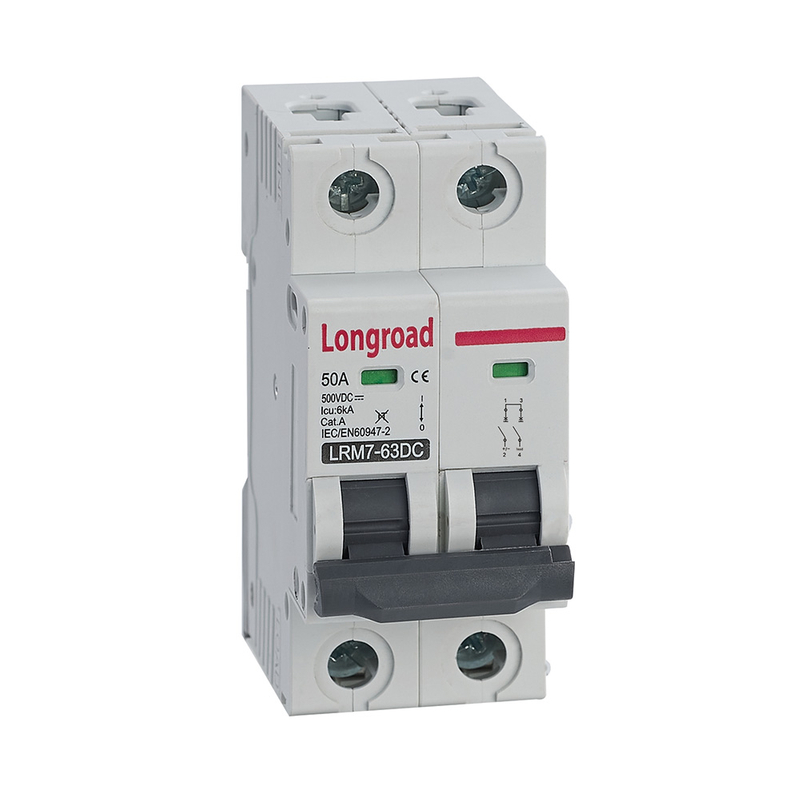
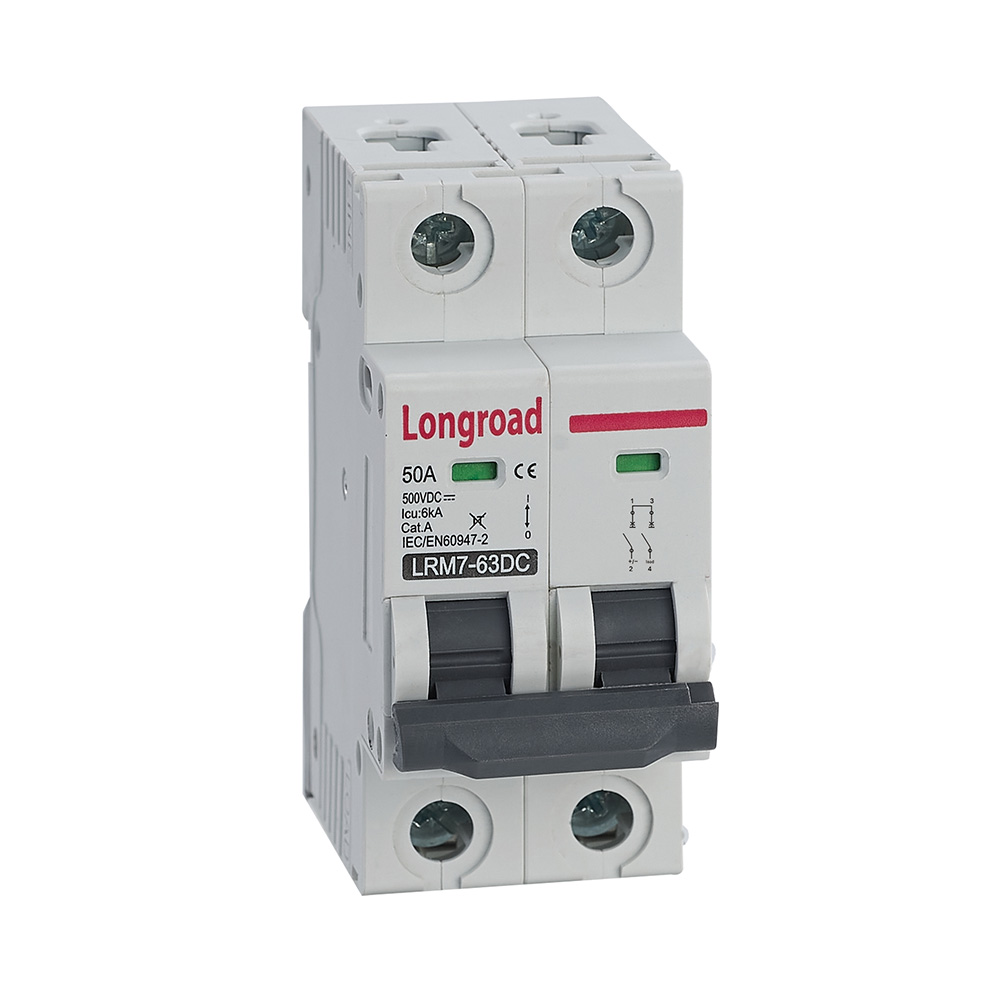
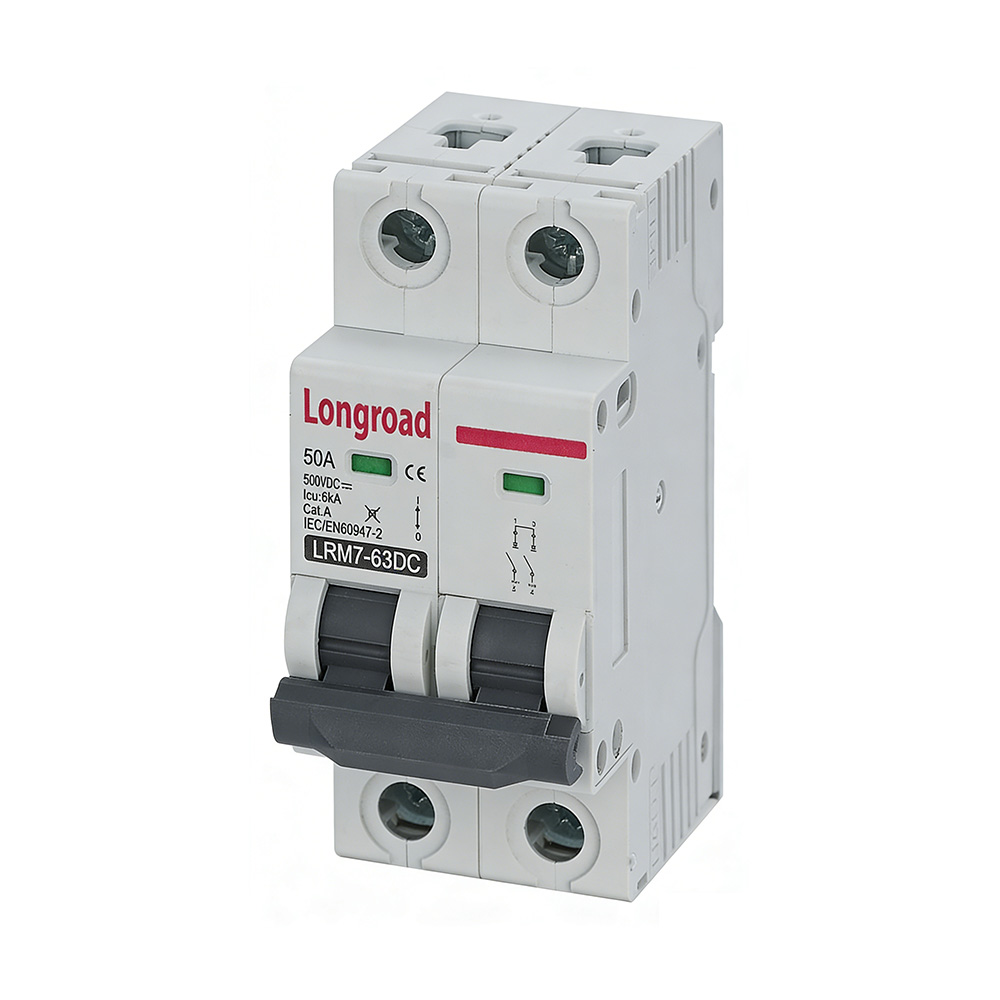
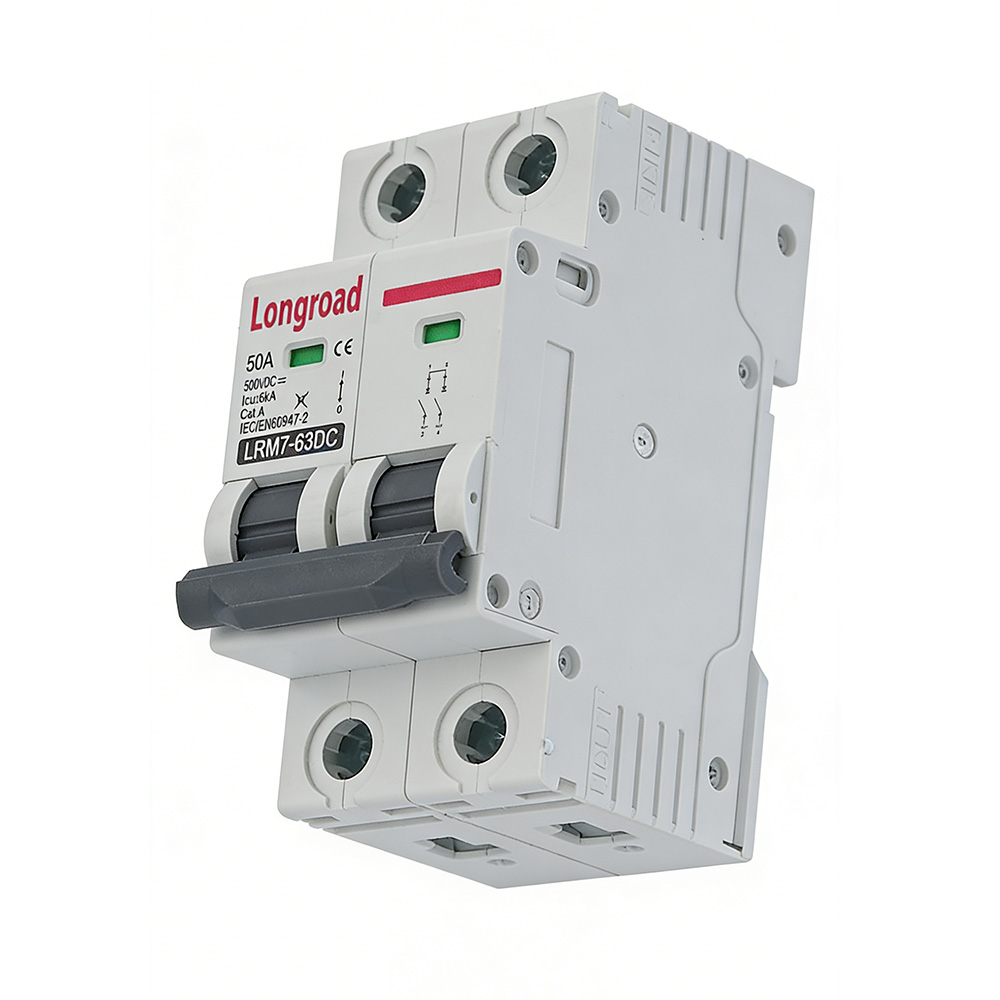
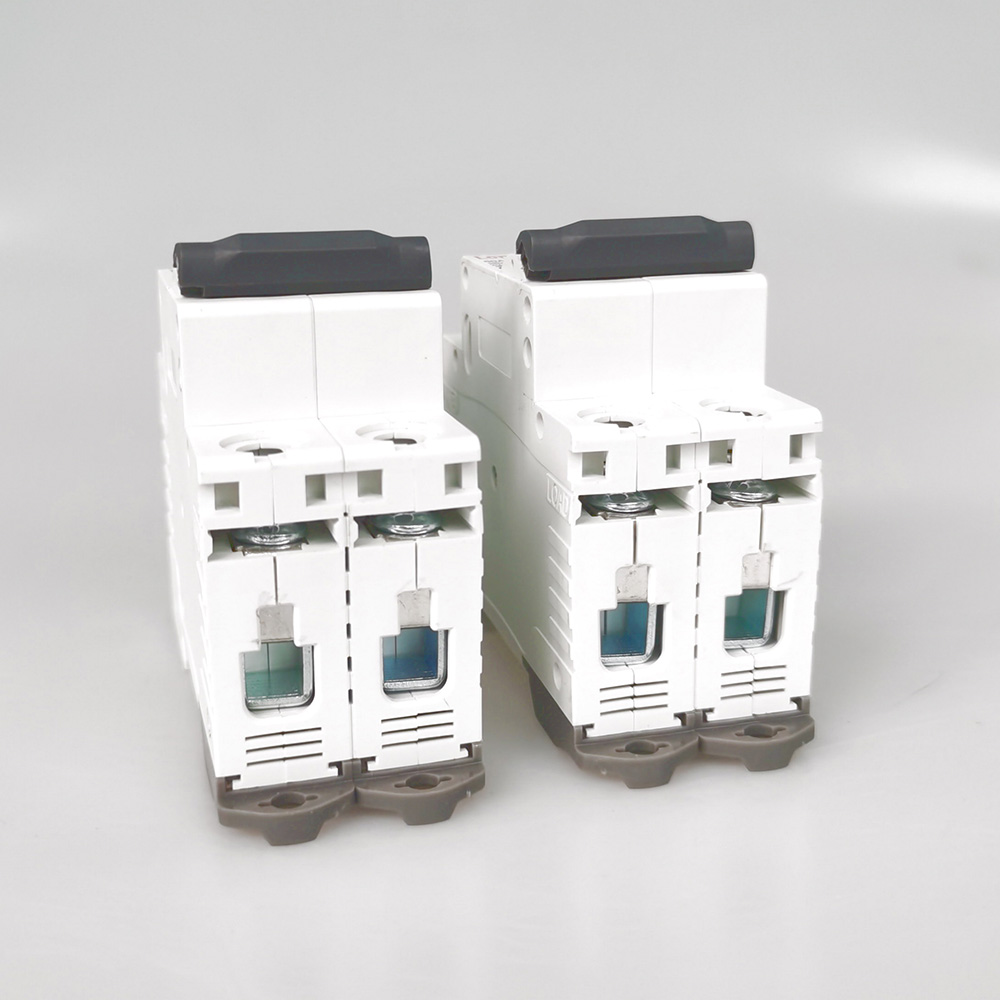
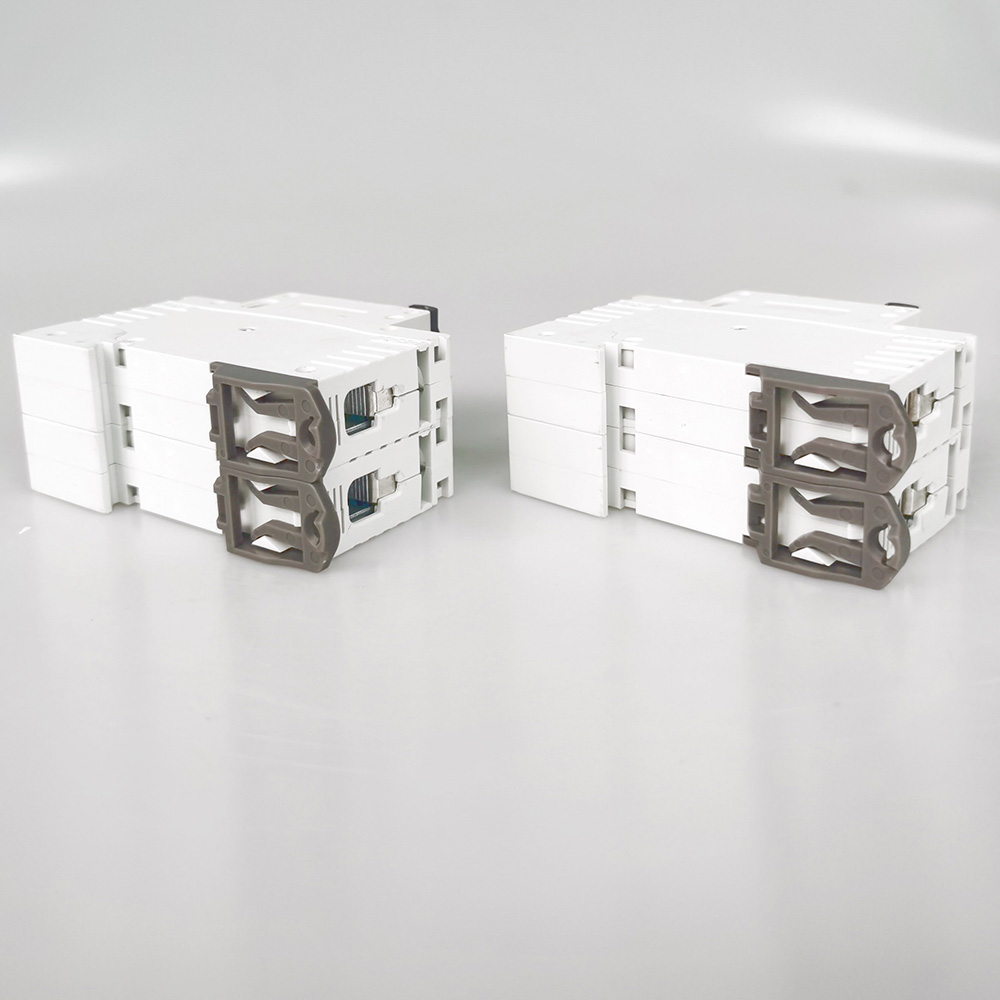
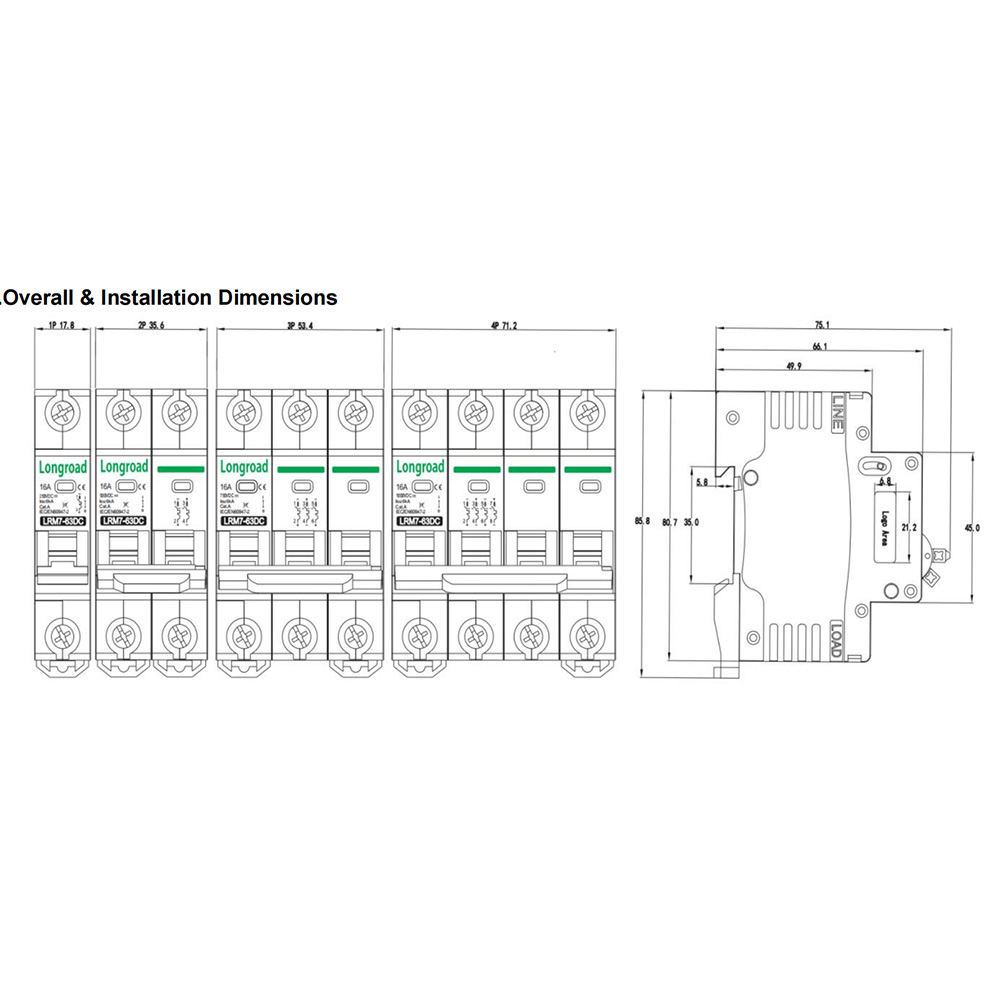
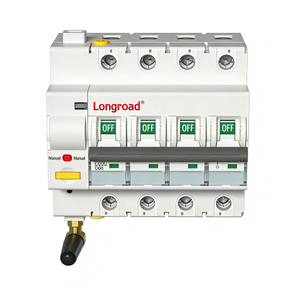
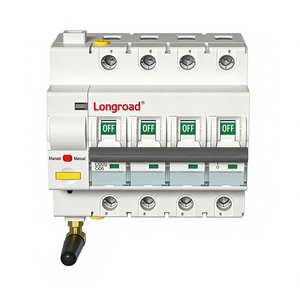
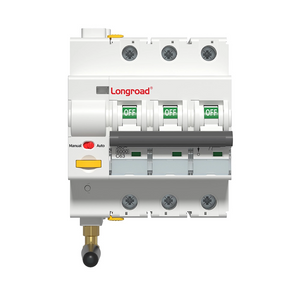
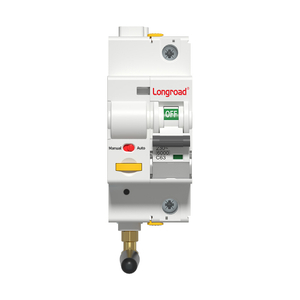
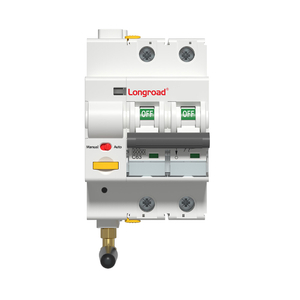
LRM7-63DC 2P MCB DC500V
The 2P DC PV miniature circuit breaker is specially designed for the DC side of photovoltaic systems, supporting bipolar switching and suitable for 500V/1000V DC scenarios. Its core functions include overload and short-circuit protection, as well as manual switching, which can effectively isolate faulty circuits to ensure the safety of PV modules, combiner boxes and inverters. Compliant with IEC/EN60947-2 standards, it features high arc resistance and flame-retardant shells, widely used in distributed and utility-scale PV power stations as a key device for DC-side power distribution and protection.Quantity: 


Advantages and Features of 2P DC PV Miniature Circuit Breaker
1. Bipolar Simultaneous Switching**: Both poles are switched on/off synchronously, completely isolating the positive and negative poles of the PV circuit, ensuring safer arc extinguishing and eliminating the risk of single-side live parts.
2. High DC Voltage Adaptability**: Supports DC 500V/1000V systems, suitable for both utility-scale and distributed PV power stations, with a wide range of application scenarios.
3. Strong Arc Extinguishing & Resistance**: Dedicated DC arc extinguishing system quickly cuts off DC arcs, avoiding arc-induced burnout and delivering higher reliability.
4.Precise Protection Performance**: Features long-time overload delay and instantaneous short-circuit protection, with stable protection characteristics tailored to PV module string properties.
5.Safety & Durability**: Flame-retardant shell, anti-aging, high and low temperature resistance, long service life, and compliance with IEC/EN60947-2 PV-specific standards.
6.Easy Installation & Maintenance**: Standard DIN-rail mounting, compact size, intuitive handle operation, and convenient on-site commissioning and later maintenance.
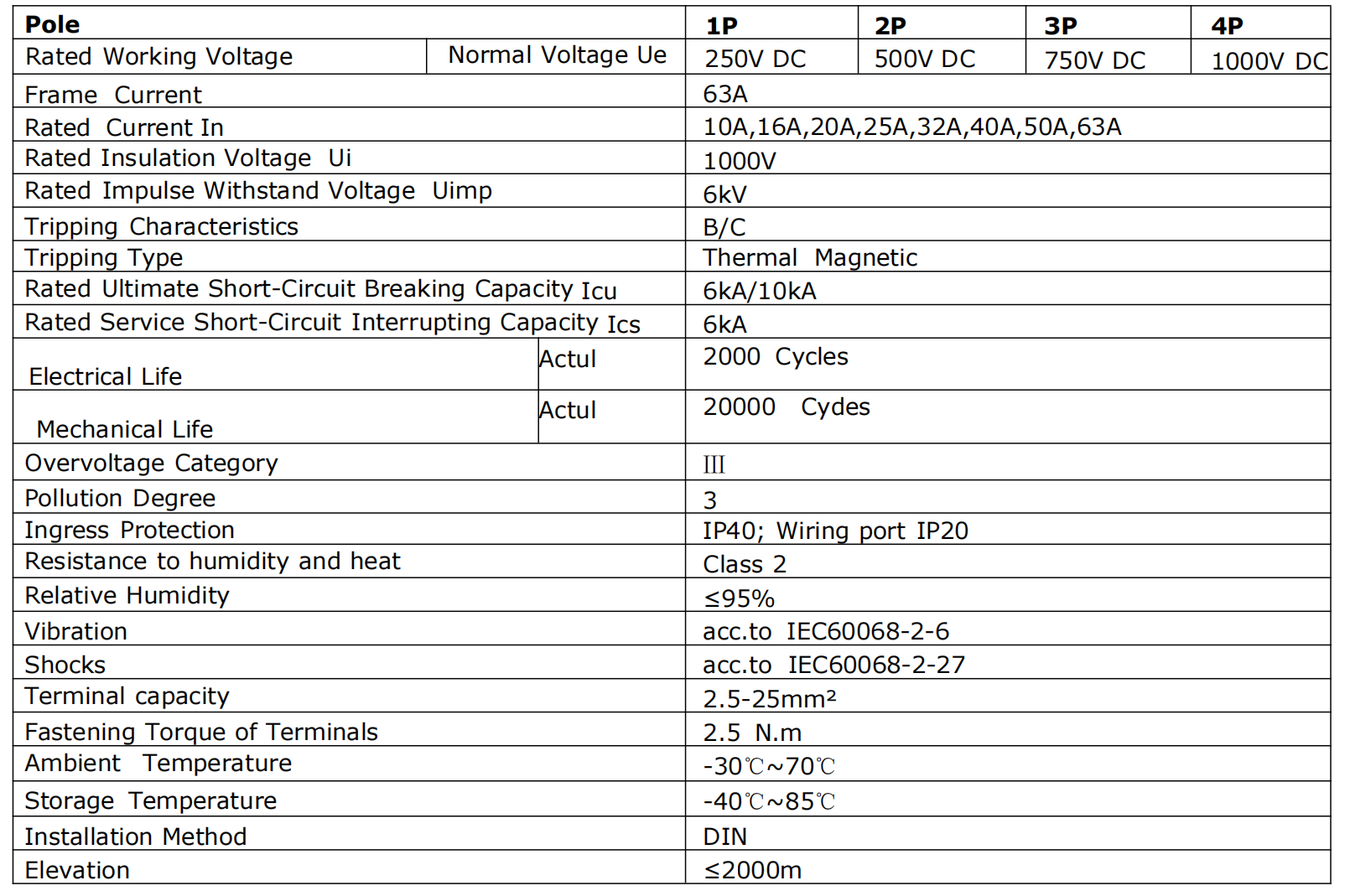
Full Technical Specifications
Product Uses
2P DC PV Miniature Circuit Breaker - Specific Application Scenarios
1. Distributed rooftop PV systems**: Used for overcurrent and short-circuit protection in residential, commercial and industrial rooftop PV string circuits.
2. Centralized utility-scale PV power plants**: Applied in PV combiner boxes and inverter DC input sides for branch circuit protection and isolation.
3. PV energy storage systems**: Protect DC circuits between PV modules, battery packs and bidirectional converters.
4. Off-grid PV power systems**: Used in independent power supply systems for villages, communication base stations and monitoring equipment.
5. Building-integrated photovoltaics (BIPV)**: Integrated into building curtain walls, roof tiles and other PV-integrated structures for safe DC distribution.
Product Operate Guide
# How to Use 2P DC PV Miniature Circuit Breaker
1.Pre-installation Inspection
Confirm that the breaker's rated voltage (DC500V/1000V) and current match the PV circuit. Check for no physical damage and normal handle operation.
2.Standard Wiring
Connect MCB two poles to the positive and negative of the PV circuit separately, and fasten the terminals properly to avoid overheating from loose connections.
3.Rail Installation
Mount on a standard DIN rail securely, and reserve sufficient space for heat dissipation.
4.Closing Operation
Ensure no short circuit or personnel working on the circuit, then push the handle to "ON" for system operation.
5. Troubleshooting
The breaker will trip automatically (handle in middle position) during overload or short circuit. Eliminate the fault first, then pull the handle to "OFF" and push back to "ON" for reset.
6. Routine Maintenance
Regularly check terminal temperature and tightness, keep the equipment clean, and forbid forced closing with faults.
2P DC PV Miniature Circuit Breaker - FAQ
1. Q: What is the difference between 2P and 1P DC circuit breakers?
A: 2P breakers switch both positive and negative poles simultaneously for complete circuit isolation, offering higher safety and suitability for high-voltage PV DC systems. 1P breakers only disconnect one pole, risking live parts on the other side, and are mainly used in low-voltage applications.
2. Q: Why does the circuit breaker trip frequently?
A: Common causes include circuit overload, short circuit, faults in modules or cables, or an undersized breaker.
3. Q: Can DC circuit breakers be used in AC circuits?
A: No. The arc-extinguishing structure for DC is different from that for AC. Misuse may lead to arc failure, burnout or even fire.
4. Q: How to reset the breaker correctly after tripping?
A: First turn the handle to OFF, then push it to ON. Never force closing from the middle position.
5. Q: Can positive and negative poles be connected randomly during installation?
A: No. PV DC breakers have polarity requirements. Reversed connection will impair protection and arc extinguishing, resulting in potential safety hazards.
6. Q: Is it suitable for DC500V or DC1000V?
A: Selection should be based on the product nameplate rating. Mainstream PV systems are compatible with both voltage levels.