- Home
-
-
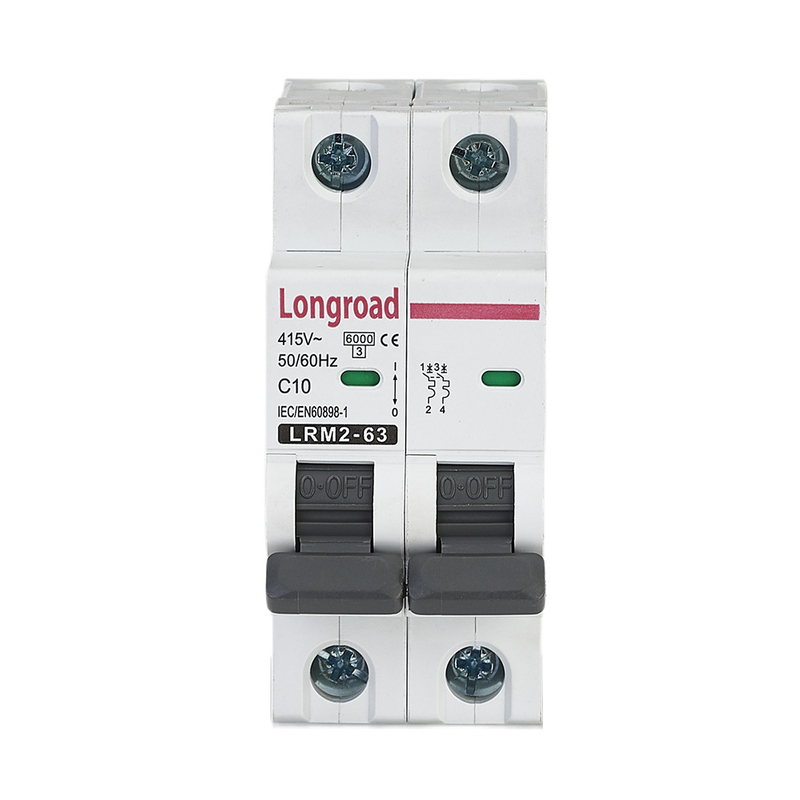
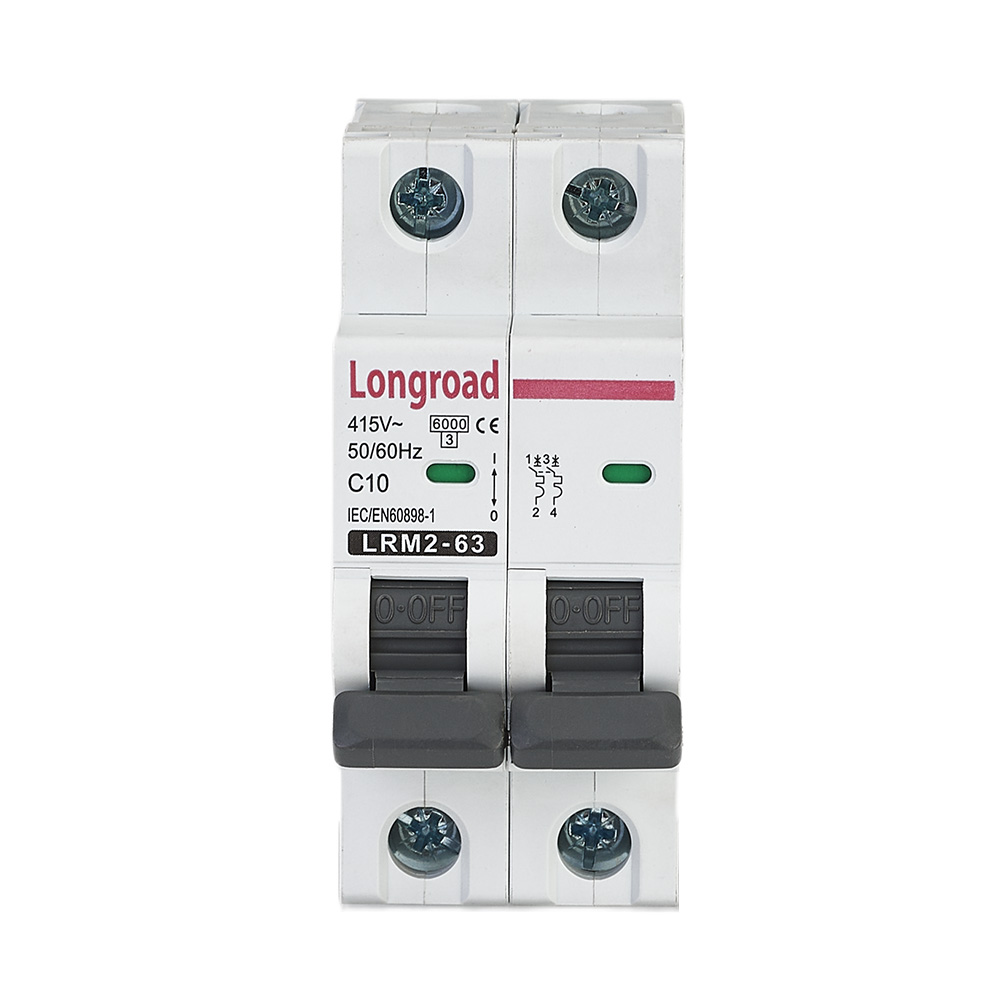
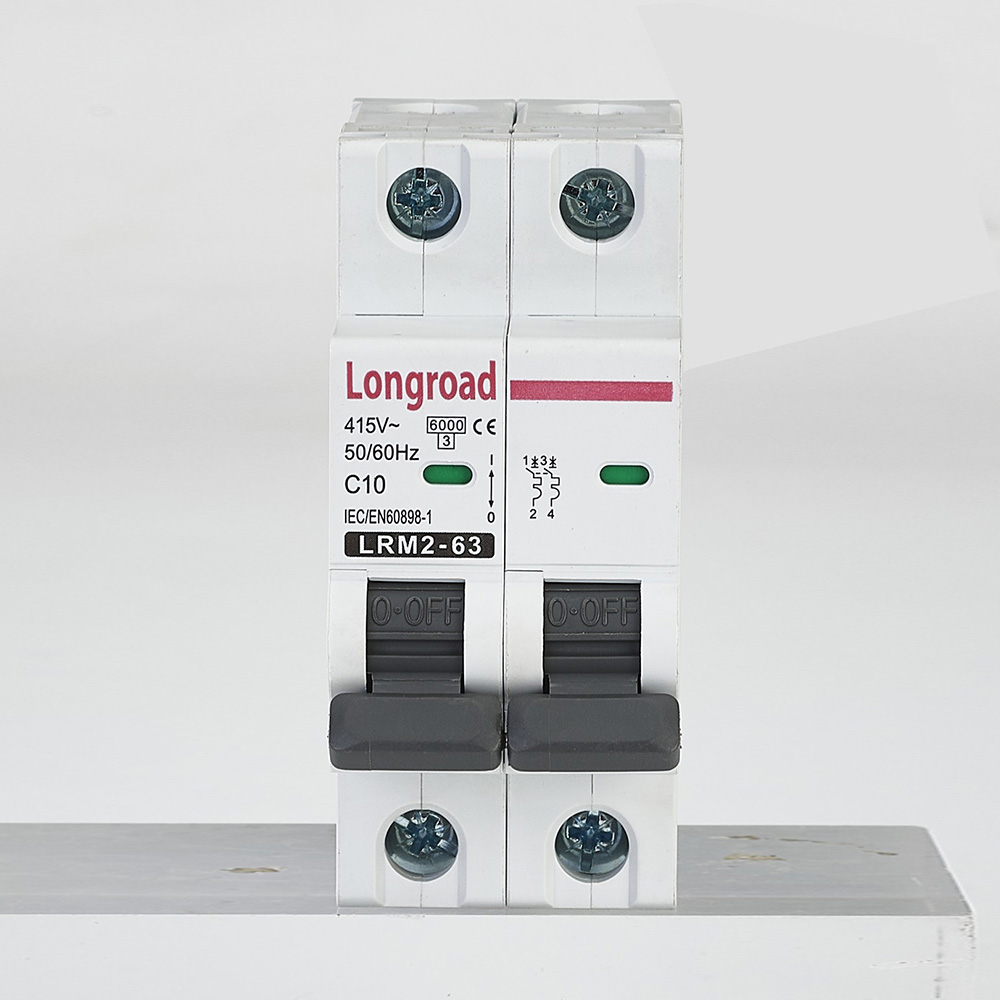
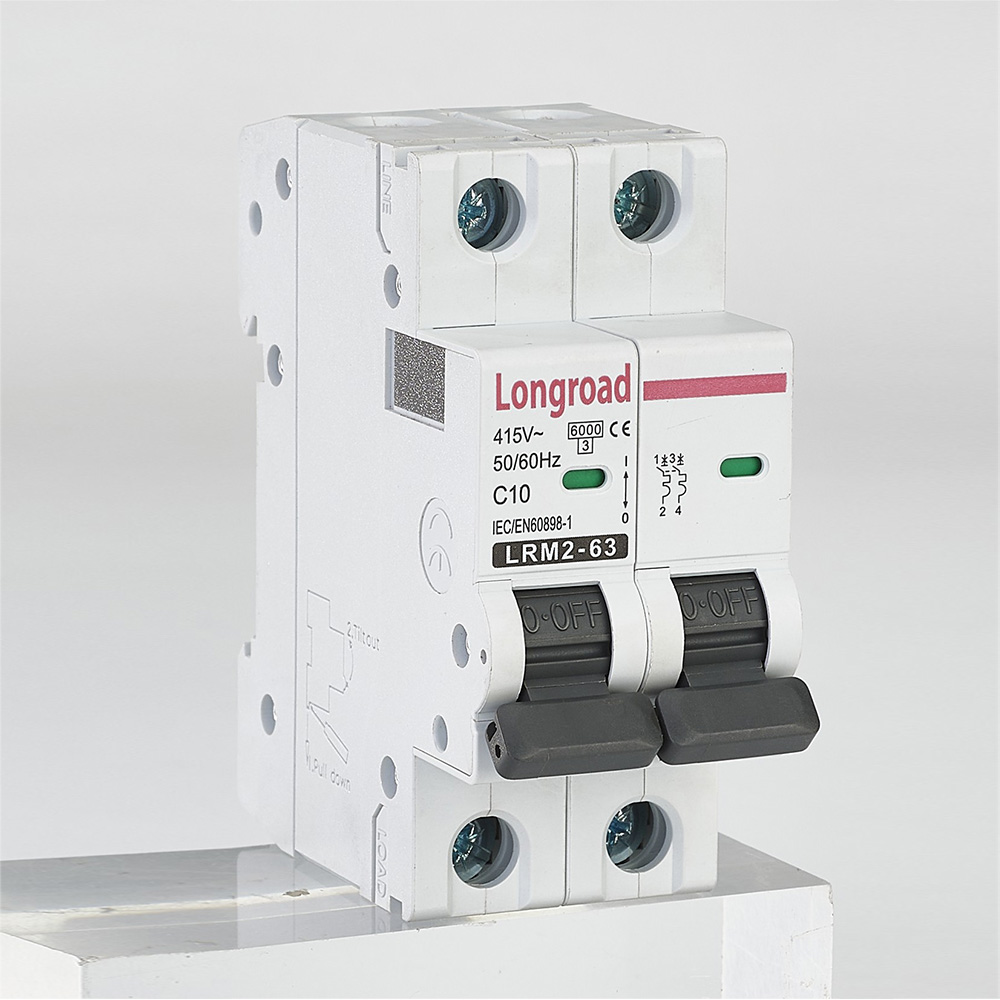
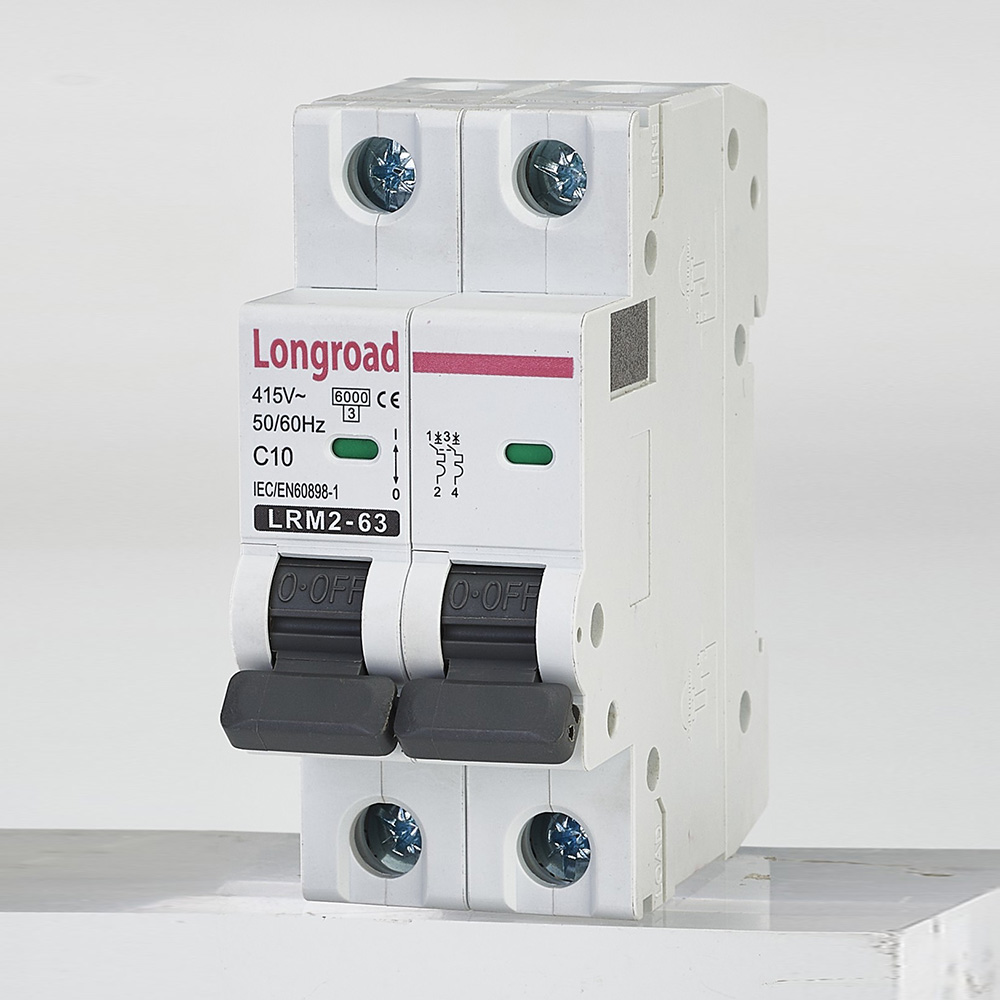
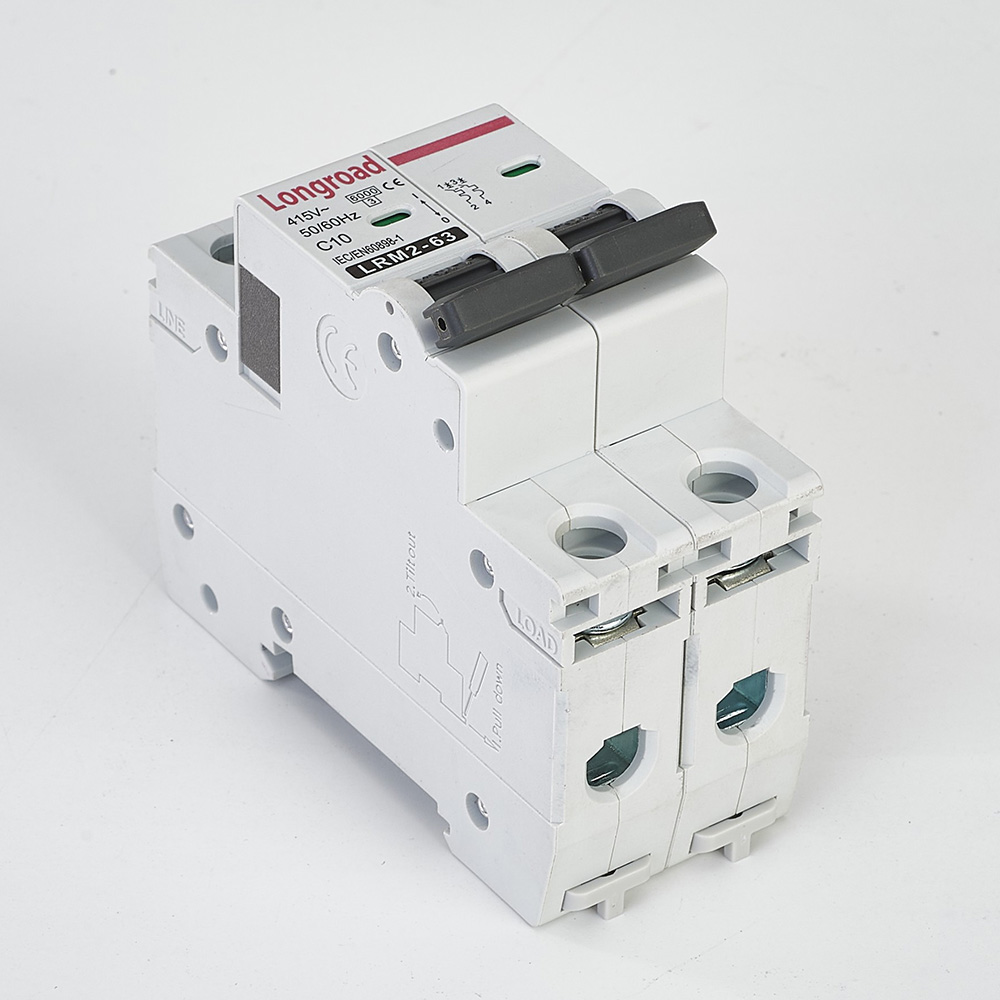
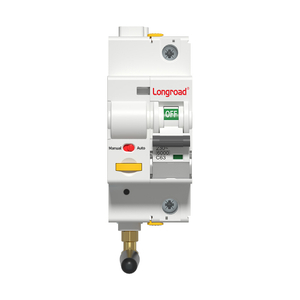
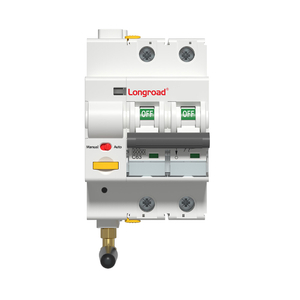
LRM2-63 2P Miniature Circuit Breaker (2-pole MCB)
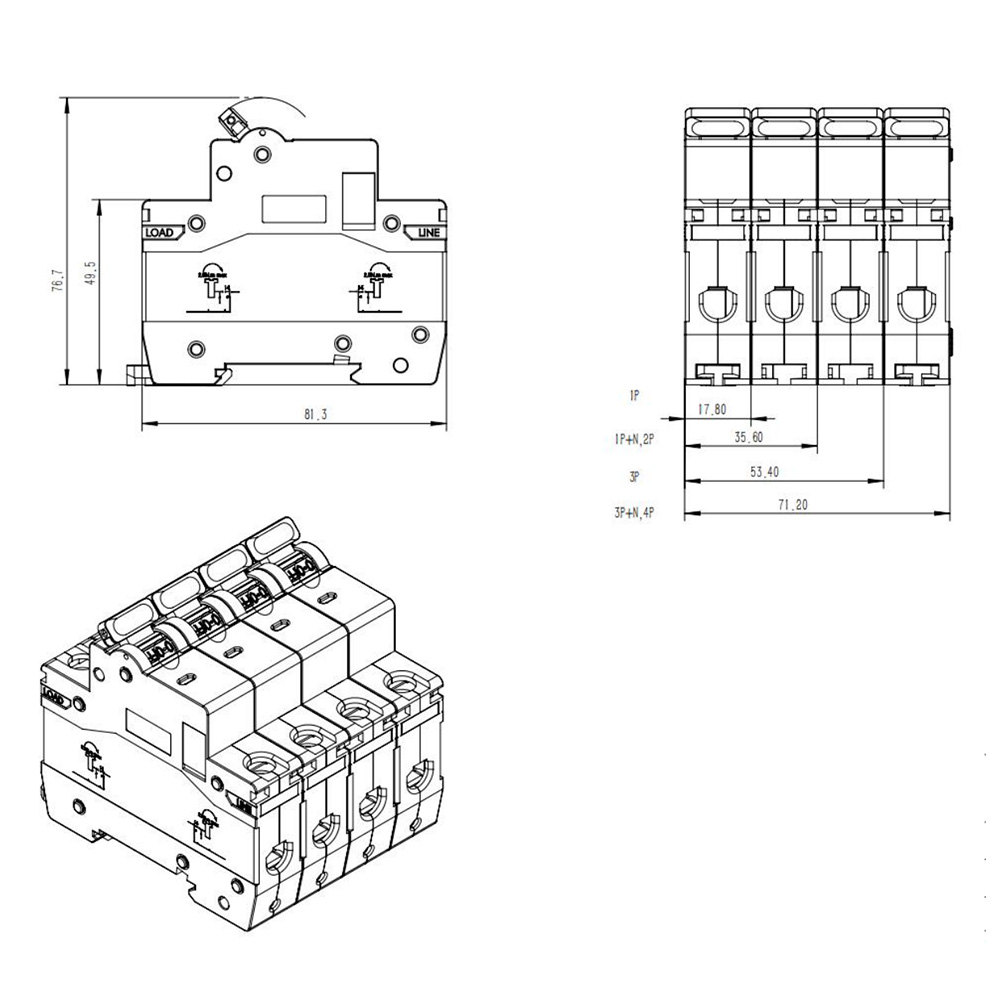
LRM2-63 2P Miniature Circuit Breaker (2-pole MCB) is a widely used two-pole protective device in low-voltage power distribution systems. It has a standard module width of 2×18mm and is mounted on a standard 35mm DIN rail. It is suitable for AC 50/60Hz systems with rated voltage of 230/400V (single-phase or three-phase), with rated current ranging from 1A to 63A. As a core safety component, it is widely applied in residential, commercial and industrial terminal power distribution.
This breaker connects both the live wire (L) and neutral wire (N). Both poles conduct simultaneously when switched on, and isolate L and N at the same time when tripped due to faults. Compared with 1P MCB, it provides higher safety and wider application. The product complies with international standards such as IEC 60898, featuring stable overload and short-circuit protection performance.Quantity: 


Main Features & Advantages
Basic Functions
1.Short-circuit Protection
When a short circuit occurs in the circuit, the internal electromagnetic release acts instantaneously to cut off both the live wire and neutral wire within a very short time, preventing electric arcs, fire hazards and equipment damage.
2 Overload Protection
When the circuit operates under long-term overload, the internal bimetallic strip deforms under heat to trigger delayed tripping and cut off the power supply, so as to avoid wire overheating, insulation aging and related safety accidents.
3 Manual Switching On/Off Control
It can be used as a manual disconnector. Pushing the handle upward switches on the power, while pulling it downward switches off the power, facilitating safe power interruption during circuit maintenance and equipment replacement.
4 Simultaneous Switching of Two Poles
Both the live wire and neutral wire are disconnected at the same time during tripping, making the circuit completely dead, which greatly reduces the risk of electric shock during maintenance. This is the core safety advantage of 2P MCB.
5 Optional Auxiliary Functions
Some models can be equipped with leakage protection modules, auxiliary contacts, alarm contacts or shunt trips to realize earth leakage protection, remote control and fault signal feedback.
Full Technical Specifications
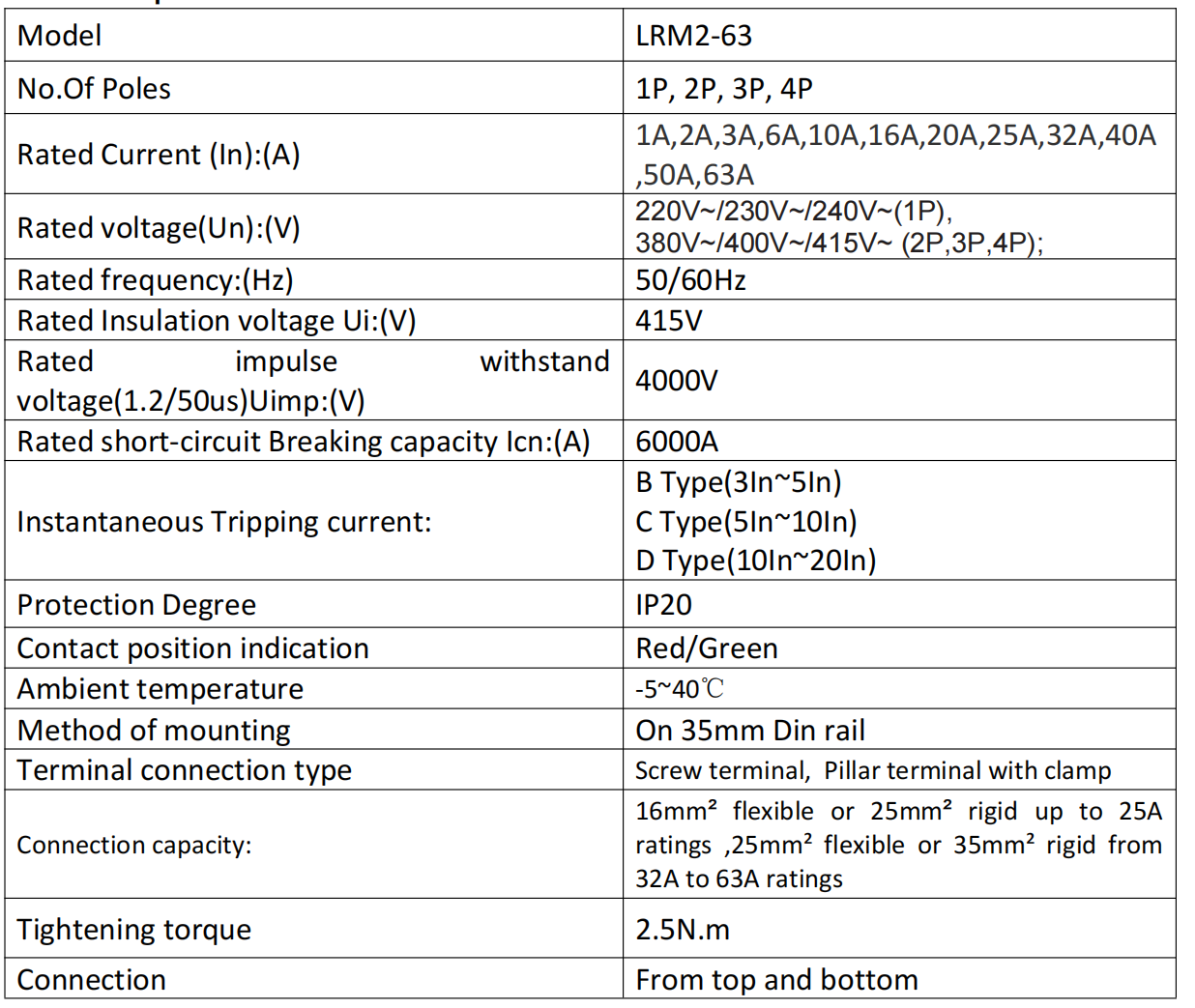
Product Uses
Typical Applications
1 Main incoming switch for residential buildings
2 High-power or humid circuits such as air conditioners, water heaters, kitchens and bathrooms
3 Main socket circuits and dedicated circuits for important electrical equipment
4 Branches in commercial and industrial places with high power safety requirements
Product Operate Guide
How to Use 2P Miniature Circuit Breaker
1. Scope of Application
2P MCB is suitable for single-phase 220V/230V and three-phase 380V/400V AC power systems, mainly used for:
- Household main incoming power switch
- High-power load circuits: air conditioners, water heaters, kitchen and bathroom sockets
- Circuits with high safety requirements
- General power and socket circuits in commercial and industrial places
2. Pre-installation Notes
- Installation must be performed under complete power-off condition. Live working is strictly prohibited.
- Confirm rated current, voltage and breaking capacity match the circuit requirements.
- Standard mounting on 35mm DIN rail in distribution box.
3. Wiring Method
2P circuit breaker controls both live wire (L) and neutral wire (N).
- Upper terminals: connect incoming L and incoming N
- Lower terminals: connect outgoing L and outgoing N
- Protective earth wire (PE) must be connected to the earth busbar separately, never connected to the breaker
4. Operation Instructions
Switching On
Push the operating handle upward to the ON position; both poles are switched on.
Switching Off
Pull the handle downward to the OFF position; both poles are disconnected.
Reset After Tripping
When the breaker trips due to fault, the handle stays in the OFF position:
1. Pull the handle fully down to OFF again
2. Push upward to ON to reset
5. Safety Precautions
- Do not use over rated current, which may cause frequent tripping or overheating.
- After tripping, check and eliminate circuit faults (short circuit, overload) before resetting.
- 2P MCB disconnects both L and N, making the circuit completely dead, which is safer for maintenance.
- Regularly check for abnormal heating, loosening or damage; replace the breaker if any fault occurs.
6. Troubleshooting
- Trips immediately after closing: short circuit in the circuit, check wiring and loads.
- Trips after working for a period: circuit overload, reduce load or use a higher rated breaker.
- Cannot be closed: internal mechanism fault, replace with a new unit.
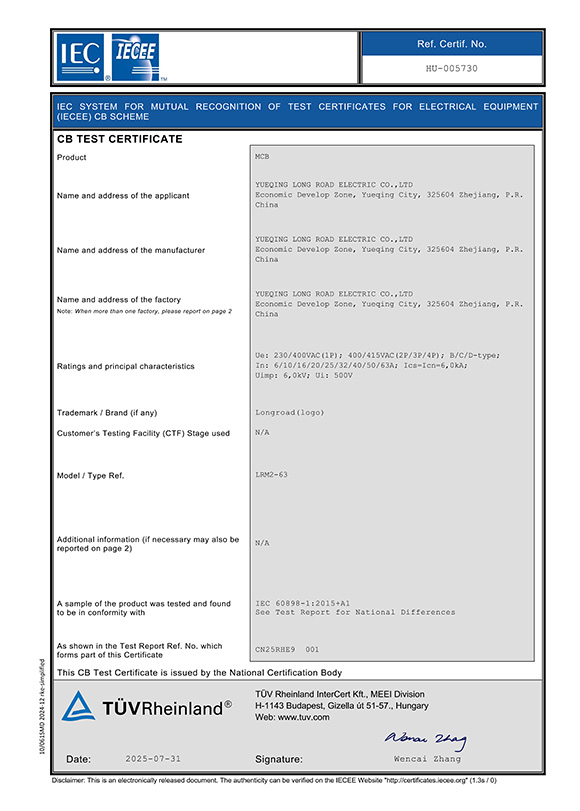
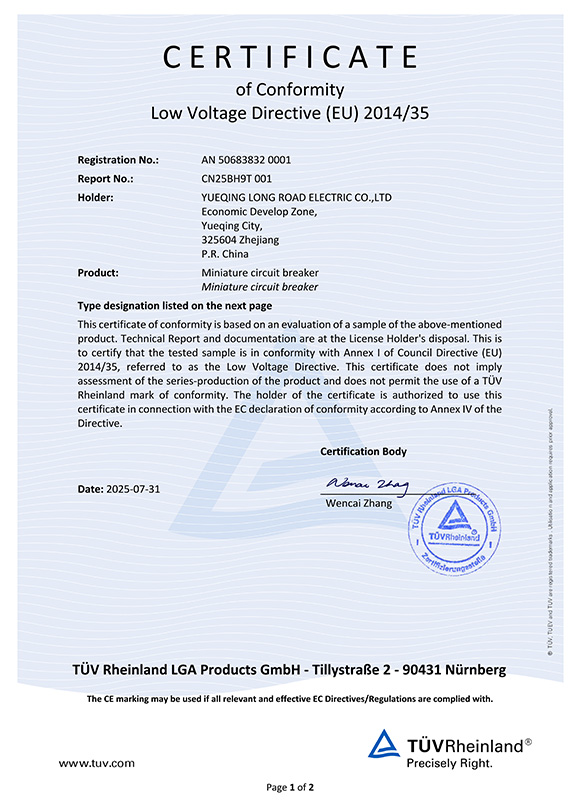
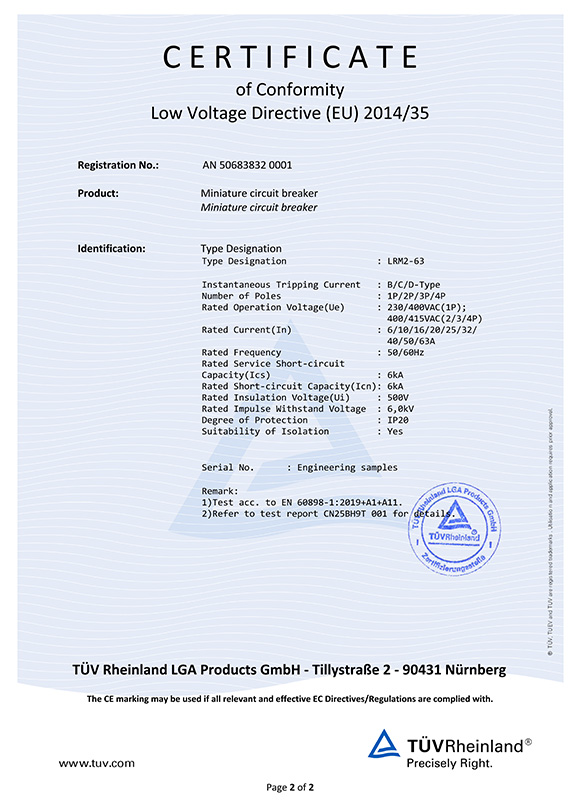
Frequently Asked Questions (FAQs)
1. Frequent tripping during normal use
Cause: Overload, line/load short circuit, poor terminal contact, breaker aging
Solution: Reduce load/replace with higher rated current model, check for short circuit, tighten terminals, replace aging breaker
2. Trips immediately after closing
Cause: Short circuit in downstream lines, sockets or electrical appliances
Solution: Turn off all loads and close, check lines/inspect each appliance one by one
3. Cannot close, handle stuck
Cause: Tripping mechanism not reset, fault not eliminated, internal structure damage
Solution: First switch to OFF to reset, eliminate faults, replace if damaged
4. Terminal overheating, discoloration or burning smell
Cause: Loose wiring, too small wire diameter, poor contact
Solution: Power off and tighten screws, replace with appropriate wire diameter, clean terminals and reconnect
5. No tripping in case of short circuit/overload
Cause: Tripping mechanism damage, wrong model selection, breaker aging
Solution: Stop using and replace immediately, select appropriate model, replace aging parts regularly
6. Abnormal noise/vibration during operation
Cause: Loose DIN rail installation, slight overload, internal looseness
Solution: Fasten installation, check load/terminals, replace if abnormal noise persists
7. Trips when a specific appliance is turned on
Cause: Short circuit, leakage or internal fault of the appliance
Solution: Stop using the faulty appliance, repair or replace it