- Home
-
-

What is a 60 Amp Circuit Breaker Used For?
Views: 0 Author: Site Editor Publish Time: 2026-06-05 Origin: Site


A 60 Amp circuit breaker is primarily used to protect high-demand electrical sub-panels, large appliances, and specific industrial machinery that require a significant continuous flow of electricity to operate safely without overloading the system.
Understanding when and where to deploy a 60 Amp breaker is essential for facility managers, homeowners, and contractors alike. Miscalculating the load or using improper protection can lead to nuisance tripping or, more dangerously, electrical hazards. This article explores the technical landscape of high-amperage protection, emphasizing the necessity of precision components like the high-performance adjustable current circuit breaker to ensure your electrical ecosystem remains robust and compliant with modern safety standards.
Table of Contents
Section
Summary
So, What is a 60 Amp Circuit Breaker?
Defines the 60 Amp breaker as a high-amperage protective device for sub-panels and major loads.
Where You'd Find This Heavy-Duty Breaker in Australia
Explains common residential and light-commercial applications, including sub-feeders and appliances.
The Critical Role of Correct Wiring
Discusses the necessity of wire gauge selection and the importance of an advanced residential energy monitoring breaker.
A Job for Specialist Professionals Only: No Exceptions
Highlights the legal and safety requirements for licensed electricians to handle 60 Amp installations.
So, What is a 60 Amp Circuit Breaker?
A 60 Amp circuit breaker is a heavy-duty electrical switching device designed to interrupt the flow of electricity when the current exceeds 60 amperes, acting as a critical firewall for high-load electrical circuits.
At its core, this breaker is engineered to manage substantial power throughput. Unlike standard 10 or 20 Amp breakers that handle lighting and general outlets, the 60 Amp variant is classified as a branch circuit or feeder breaker. It is physically larger and built with heavier internal contacts to dissipate the heat generated by higher current loads, ensuring that the electrical system does not overheat or suffer from arcing during normal operation.
In many modern configurations, technicians are turning toward more sophisticated hardware, such as an adjustable current circuit breaker, to gain better control over energy distribution. These devices allow for precise calibration, ensuring that the protection threshold is perfectly aligned with the specific requirements of the connected infrastructure. By utilizing an adjustable current circuit breaker, engineers can mitigate the risks associated with improper amperage settings, which are common causes of premature component failure.
Furthermore, the longevity of these components relies heavily on material quality and construction standards. A reliable 60 Amp unit must withstand consistent thermal stress. Whether it is acting as a primary protection mechanism for a workshop sub-panel or a dedicated line for a heavy-duty EV charging setup, the breaker serves as the final barrier. Its function is not merely to "turn off" the power but to intelligently detect abnormal surges—such as short circuits or prolonged overloads—and respond with split-second precision to maintain the integrity of the entire electrical grid.
Where You'd Find This Heavy-Duty Breaker in Australia
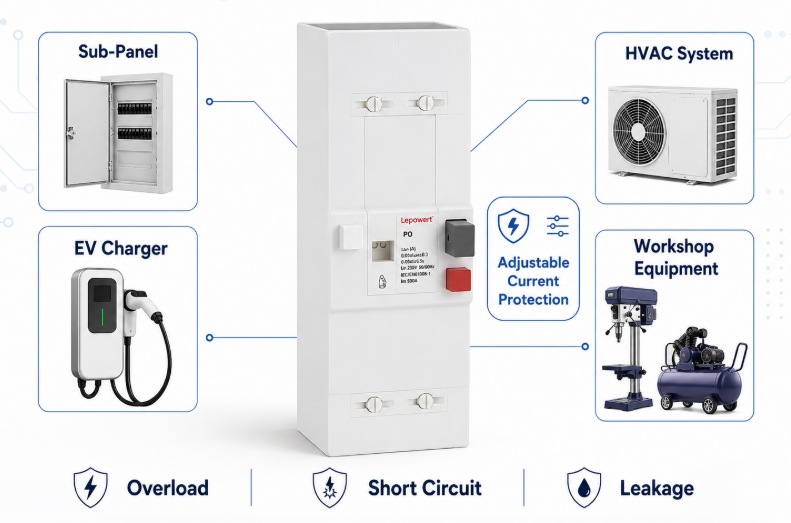
You will typically find a 60 Amp circuit breaker installed in locations where high power consumption is a daily requirement, such as main switchboards feeding large sub-panels, dedicated electric vehicle charging circuits, or commercial kitchen equipment installations.
The application of a 60 Amp breaker is dictated by the load demand of the circuit. In a standard residential setting, you might not see this breaker often, but in modern homes with high-energy demands, it is becoming standard. For instance, if a homeowner decides to install a high-capacity electric vehicle wall charger or a massive ducted air conditioning system, a 60 Amp circuit is often the minimum requirement to prevent the system from tripping under normal operational strain.
Beyond residential needs, these breakers are essential in commercial and industrial environments. In professional kitchens, high-output commercial dishwashers or industrial-grade ovens often demand this level of current to function efficiently. When evaluating these setups, using an integrated residential energy metering breaker can provide invaluable data, allowing facility managers to monitor exactly how much power these large appliances consume in real-time, thereby optimizing operational costs.
To summarize the most frequent applications, consider the following common scenarios where a 60 Amp rating is essential:
Sub-Panel Feeding: Providing power from a main switchboard to a garage, shed, or granny flat.
EV Charging Stations: Supporting rapid-charge infrastructure that requires stable, high-amperage delivery.
HVAC Systems: Powering central air conditioning units or industrial heating systems that draw significant starting current.
Large Machinery: Supporting woodworking or metalworking equipment in a workshop environment.
The Critical Role of Correct Wiring
The performance of any 60 Amp circuit breaker is entirely dependent on the use of correctly sized cabling, as improper gauge wiring can lead to dangerous overheating and potential fire hazards, rendering even the best breaker useless.
When installing a 60 Amp circuit, the electrical code mandates specific wire sizes—often referred to as gauge—to handle the heat. If the wire is too thin (too high a gauge number), it will act as a resistor, heating up as current passes through it long before the breaker has a chance to trip. This creates a hidden fire risk inside your walls. Licensed electricians must carefully calculate voltage drop and wire material (copper vs. aluminum) to ensure that the installation remains compliant with safety standards.
Moreover, the integration of smart technology has revolutionized how we protect these circuits. By incorporating a modern smart metering circuit breaker, technicians can monitor the thermal profile and electrical draw of the line continuously. This proactive approach to maintenance allows for the identification of potential wiring issues before they become critical failures. The synergy between a correctly sized conductor and a high-quality, versatile adjustable current circuit breaker ensures that the circuit remains both safe and optimized for long-term usage.
To ensure your system remains compliant, always consider these technical requirements during the planning phase:
Conductor Sizing: Always consult local regulations for the minimum cross-sectional area of the cable.
Thermal Management: Ensure the breaker enclosure has sufficient ventilation to prevent thermal tripping caused by ambient heat.
Connection Integrity: Use proper crimping tools and torque settings for all terminals to prevent loose connections, which are a leading cause of electrical fires.
A Job for Specialist Professionals Only: No Exceptions
Under no circumstances should an untrained individual attempt to install or modify a 60 Amp circuit breaker, as it requires professional certification, precise adherence to electrical codes, and rigorous testing to ensure personal and structural safety.
Working with 60 Amp electricity is significantly more dangerous than standard household wiring. The level of potential energy present can cause severe arc flashes, which are explosive electrical discharges that can result in catastrophic burns or death. Furthermore, the insurance implications of a DIY electrical disaster are severe; in most cases, insurance claims for fire damage are denied if it is discovered that unauthorized individuals performed the electrical modifications.
A licensed electrician does more than just mount the breaker in the board. They perform essential safety tests, such as continuity, insulation resistance, and earth fault loop impedance testing. These procedures confirm that if a fault occurs, the 60 Amp breaker will indeed trip as designed, cutting the power instantly. By relying on a professional, you are investing in the assurance that your system is balanced and that the hardware, such as an advanced adjustable current circuit breaker, is calibrated exactly to the load's specifications.
In summary, the role of a 60 Amp breaker is to provide a robust defense against the risks of high-voltage electrical distribution. While the hardware itself is powerful, its true value is realized only when it is part of a professionally engineered system. Whether you are upgrading your home’s capability with an energy-efficient smart breaker or installing a complex industrial sub-feed, always prioritize compliance, quality components, and expert oversight to maintain the safety and efficiency of your electrical infrastructure.